

28
Aug
Is Professional Mold Removal Worth It In Jupiter, FL?
I dealt with mold removal in Jupiter, FL, after noticing a lingering smell and damp wall inside my home. I contacted 911 Restoration of West Palm Beach to assess the situation and handle the cleanup. Based on what was involved and how mold behaves here, professional mold removal was worth it to address the source and not just what I could see.
How Did I Realize Mold Was Becoming A Problem?
Living in Jupiter, humidity is just part of the environment. Most of the year, the air feels heavy, and during late summer it can be relentless. At first, I didn’t think much of what I was noticing. The house felt slightly damp in a few areas, but nothing seemed urgent.
Then there was a smell. Not strong, just persistent. It seemed to linger near a hallway closet that connects to one of the bedrooms. I assumed it might be something stored in the closet or air that wasn’t circulating well.
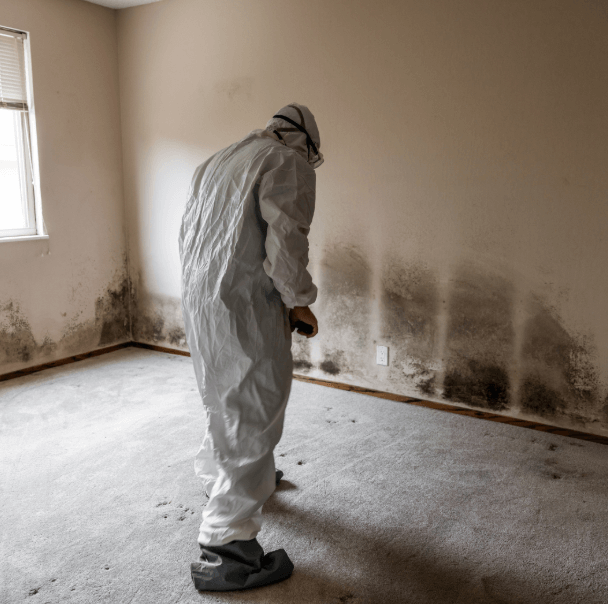
A few days later, I noticed faint discoloration along the bottom of the wall. It wasn’t dramatic. No large patches or obvious growth. But once I saw it, I couldn’t stop noticing it.
Looking back, the air conditioning was probably the first clue. It had been running constantly due to the heat and rain. The area always felt cool, but also damp. That combination didn’t sit right.
That’s when I started seriously thinking about mold removal instead of brushing it off.
Why Didn’t I Try To Handle It Myself?
I considered it. The affected area was small, and I’d seen plenty of advice suggesting surface cleaning. But something about the smell made me pause. It didn’t feel like a surface issue.
Mold in Florida behaves differently than in drier places. Moisture sticks around longer. Walls don’t always dry out on their own, especially during the rainy season.
I also realized that cleaning what I could see wouldn’t tell me what was happening behind the wall. And honestly, I didn’t want to open it up myself without knowing what I’d find.
Addressing the issue early helps prevent further damage and allows the area to dry properly. That idea stuck with me.
What Did The Inspection Actually Show?
The inspection answered a lot of questions. Moisture was present behind the drywall, and mold growth had started inside the wall cavity.
The source turned out to be a slow leak from an aging air conditioning drain line. Nothing dramatic. Just a steady drip that had likely been going on for a while.
Combined with high indoor humidity, especially during late summer rains, it created the right conditions for mold to grow without being obvious right away.
Once the affected areas were marked out, the situation made more sense. What I could see was only a small part of the problem.
How Was The Mold Removal Process Handled?
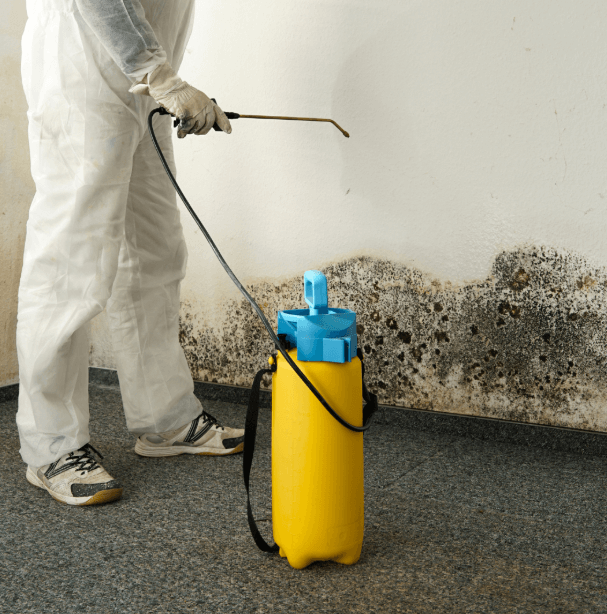
The process followed a clear sequence, which helped keep things manageable.
First came containment. The affected area was sealed off so spores wouldn’t spread into other parts of the house. That step alone made a difference in how controlled everything felt.
Next, the impacted drywall and materials were removed. This part was more precise than I expected. Only the damaged sections were taken out, not entire walls.
After removal, the area was cleaned and treated to address remaining mold residue. Drying equipment ran continuously, and humidity levels were checked regularly.
Because moisture played a role, water damage restoration was addressed briefly as part of the overall work. The drain line causing the leak was corrected before repairs moved forward. That step mattered more than anything else.
From start to finish, the work took about three to four days. Most of that time involved drying and monitoring rather than active demolition.
What Did Mold Removal Cost In Jupiter, FL?
The total cost landed between $2,500 and $5,000, which lines up with local averages for mold removal that involves opening walls and extended drying.
Several factors influenced pricing:
- Size of the affected area
- Amount of drywall removed
- Drying time needed due to humidity
- Access to the moisture source
Seasonal conditions also mattered. During the rainy months, drying takes longer, which can affect the final cost. Homes in Jupiter deal with sustained moisture levels that slow the process.
While it wasn’t inexpensive, the cost reflected the equipment, labor, and time involved. And it addressed the entire issue, not just the visible signs.
How Long Does Professional Mold Removal Usually Take?
In my case, the job took just under a week from inspection to completion. The active work was fairly quick. The drying phase took the longest.
For projects of similar size, three to five days is typical. Larger areas or harder-to-reach moisture sources can extend that timeline.
Humidity plays a big role here. Even with equipment running, moisture doesn’t disappear overnight. Allowing enough time for drying reduces the chance of mold returning in the same area.
Can Small Mold Problems Be Ignored?
Sometimes people try. I almost did.
But in my situation, ignoring it would have allowed moisture to continue feeding the problem. The visible mold was only part of what was happening.
Small signs often point to hidden moisture issues, especially in humid climates. What looks minor on the surface may not stay that way.
Does Mold Always Mean There Is A Leak?
Not always, but moisture is always involved. In my case, the leak was slow and easy to miss.
High humidity alone can also contribute, especially in closets, hallways, or areas with limited airflow. Identifying where the moisture is coming from matters more than cleaning the mold itself.
Why Did I Choose 911 Restoration Of West Palm Beach In Jupiter, FL?
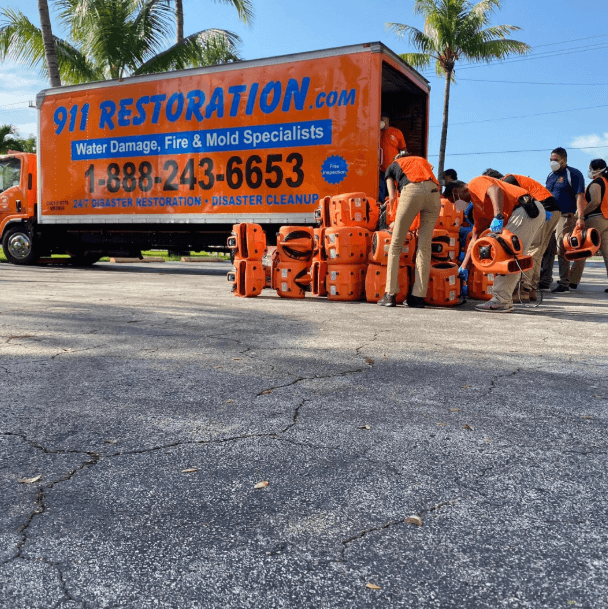
I chose 911 Restoration of West Palm Beach because they were familiar with local building conditions and humidity patterns common in Jupiter homes.
That practical knowledge showed during the inspection and drying process. The approach was straightforward and methodical. Each step was explained without exaggeration or pressure.
Having a team accustomed to South Florida moisture issues made a noticeable difference in how the work was handled.
Next Steps After Discovering Mold
If you notice ongoing odors, damp areas, or wall discoloration in your home, it helps to look into mold removal in Jupiter, FL, sooner rather than later.
Taking time to identify the moisture source allows the area to dry properly and reduces the chance of repeat issues. Call the team today or submit a request through their online form.
Latest Posts

Contact Us
For Advice
Need help? Talk to an expert
(561) 203-1775